Specifications
RA 2.5%~ 98% or as request
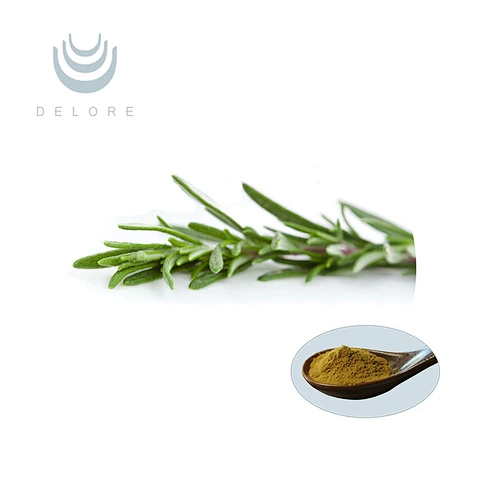
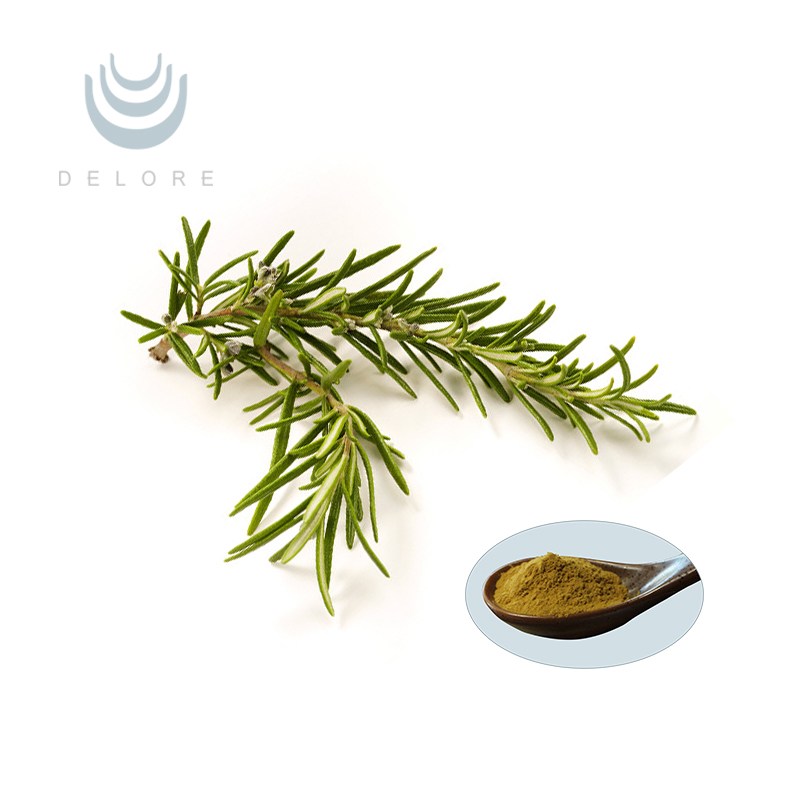
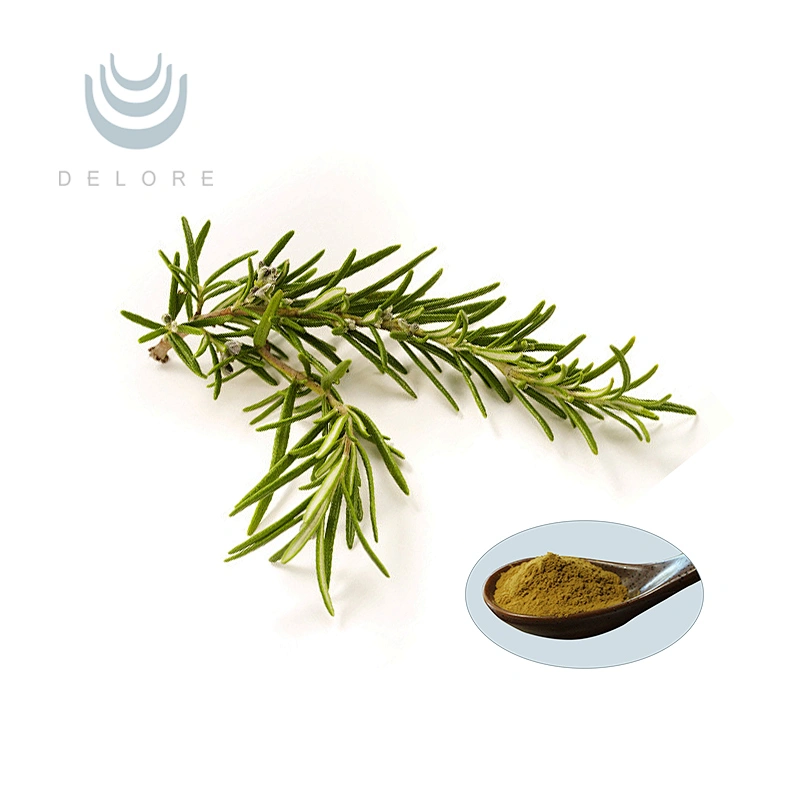
Latin Name: Rosmarinus officinalis
Part of Plant Used Leaves
Benefits
Water-soluble antioxidant
Rosmarinic acid (RA) is rich in rosemary (Rosmarinus officinalis), also it is found in Basil (Ocimum basilicum), lemon balm (Melissa officinalis), Marjoram (Origanum majorana), Sage (Salvia officinalis) and Thyme (Thymus vulgaris). Rosmarinic acid is a naturally occurring polyphenolic with yellow-brown color and characteristic odor.
Rosmarinic acid has antioxidant, anti-inflammatory and antimicrobial activities.The antioxidant activity of rosmarinic acid is stronger than that of vitamin E. Rosmarinic acid helps to calm down, and prevent cell damage caused by free radicals, thereby reducing the risk for cancer and atherosclerosis.
Antioxidant
The present results indicated that rosmarinic acid is an antioxidant which is easily soluble in water and can act as scavenger of free radicals in biological systems, and could therefore provide health benefits to consumers. Moreover, rosmarinic acid can act as a suicide substrate of polyphenol oxidase and can inhibit the enzymatic browning of vegetables and fruits and melanogenesis in mammals.
Anti-bacterial
Rosmarinic acid showed the highest antimicrobial activity against E. coli with MIC = 250 μg/mL. The MIC values of rosmarinic acid and their salts with Li, Na and K were >500 μg/mL against all tested microorganisms.
Health benefits
Rosmarinic acid is good for sleep, anti-pressure, and improving motion, etc.
Application
Rosemary extract is a kind of plant-based ingredient, which is widely used in food, food supplement,pet food, feed, cosmetic and pharma etc. As food or feed additives, rosmarinic acid usually act as a kind of antioxidant.