Specifications
UA 25%~ 98% or as request
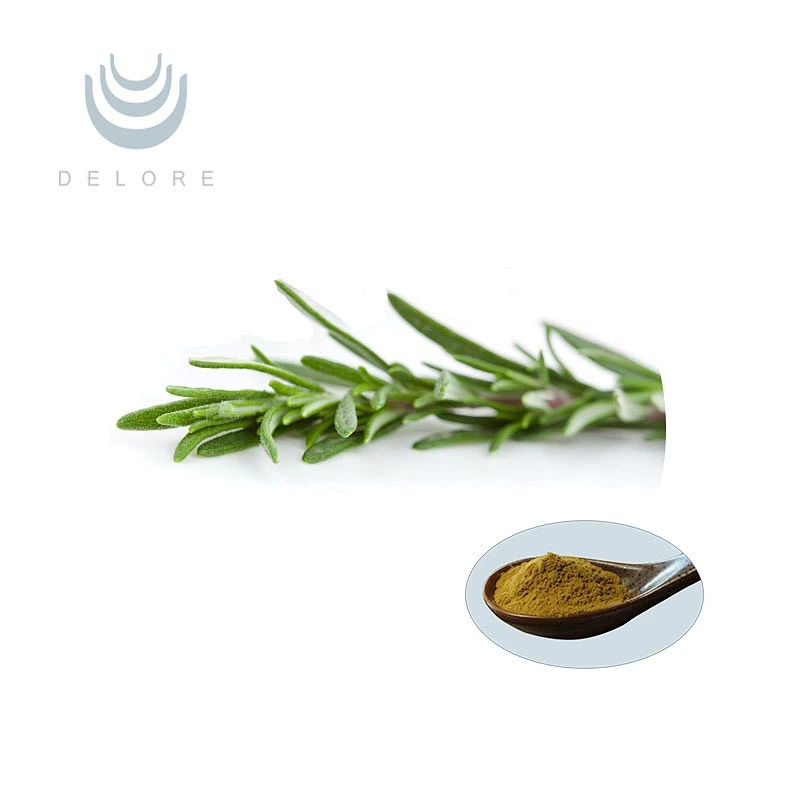
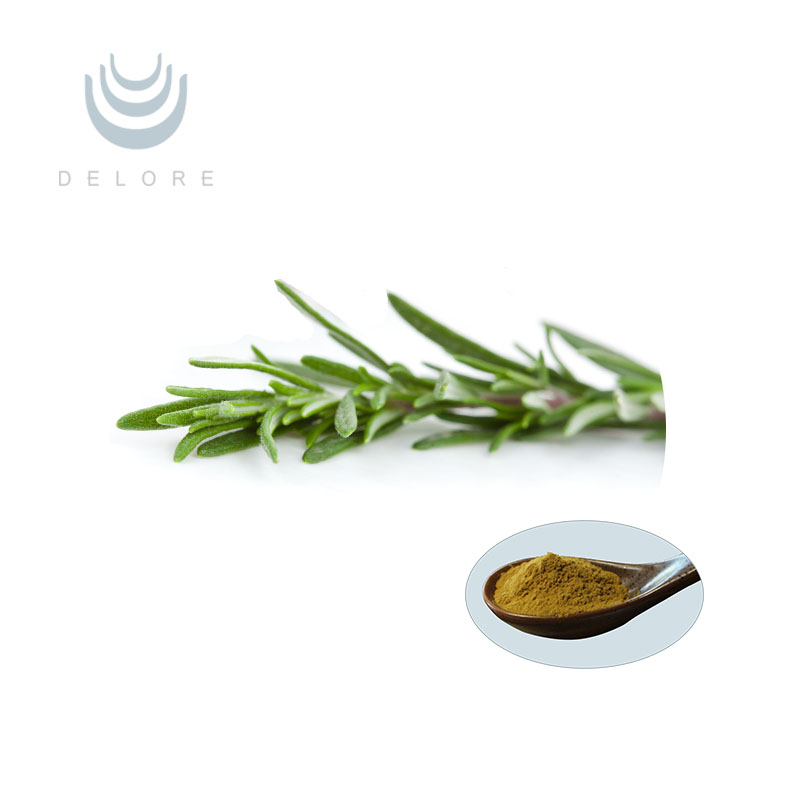
Latin Name: Rosmarinus officinalis
Part of Plant Used : Leaves
Benefits
Anti-microbial, anti-infection and anti-viral, etc
Ursolic acid (UA) is rich in rosemary (Rosmarinus officinalis) and loquat leaves(eriobotrya japonica). Ursolic acid and its isomer, oleanic acid, are chemically almost identical, their structure differing only in the position of a methyl group (CH3). Both offer potentially important health benefits, such as preventing the development of cancer, inhibiting existing tumor cells, protecting against the side-effects of chemotherapy and radiotherapy, and exerting anti-inflammatory, antioxidant and antiviral effects.
Repairing damaged tissues
Ursolic acid has traditionally been used for the skin as it repairs damaged tissues in the cutaneous barrier and scalp. It also protects the skin from photo-aging and is a potent inhibitor of elastase, an enzyme present in the skin which attacks structural proteins. With its multiple properties, ursolic acid is therefore an important addition to the range of phytoceutical resources available for anti-aging in general.
Anti-infection and anti-viral
Ursolic acid has anti-infection and anti-viral effects, more specifically against the herpes virus, adenovirus and enterovirus.
Anti-microbial and immune-stimulant
Ursolic acid also has anti-microbial and immune-stimulant effects particularly in the treatment of tuberculosis.
Treating Alzheimer's disease
It may also offer potential in treating Alzheimer's disease by inhibiting the enzyme acetylcholinesterase, so reducing enzymatic degradation of acetylcholine and improving cholinergic transmission.
Application
Due to its biological activity shown as above, ursolic acid is widely used in food supplement, biological medicine, and cosmetic etc.